Artificial intelligence is changing how small businesses operate online — and one of the most practical applications is the AI chatbot.
In 2026, websites are no longer just digital brochures. They are active customer service tools, lead generation systems, and sales assistants working 24/7.
For small businesses, that creates both opportunity and pressure.
Customers expect instant responses. They want information quickly. They don’t want to wait until business hours to ask simple questions about services, pricing, or scheduling.
That’s where AI chatbots for small business websites become incredibly valuable.
But here’s the important part: not all chatbots are created equal.
The best AI chatbot strategy isn’t about replacing human customer service. It’s about enhancing it.
Let’s walk through how small businesses can successfully implement AI chatbots, what mistakes to avoid, and how to make them actually work for your business goals.
Why Small Businesses Need AI Chatbots in 2026
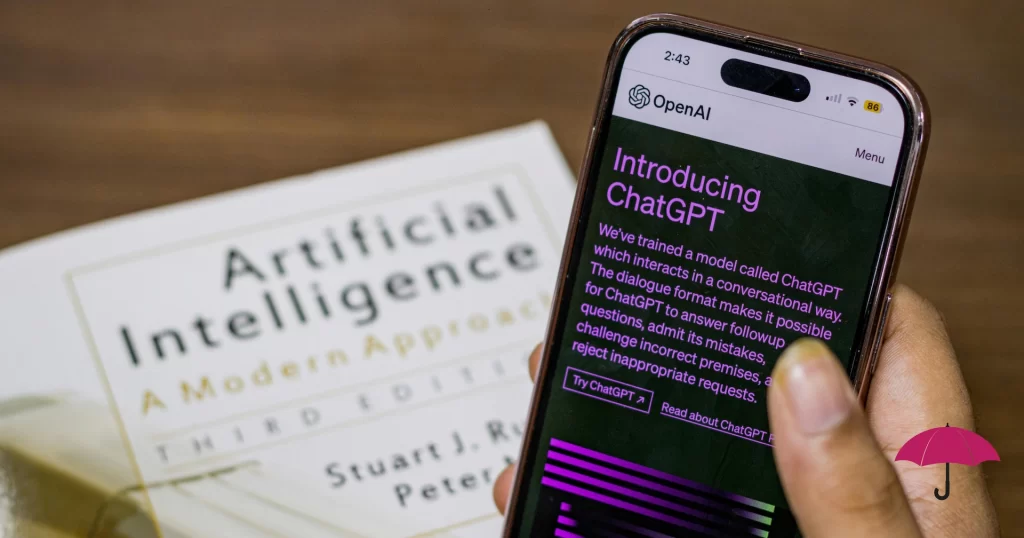
Customer behavior has changed dramatically over the past few years.
People expect fast digital responses the same way they expect fast shipping or instant search results.
If someone visits your website and can’t quickly find answers, they will often leave and go straight to a competitor.
For service-based businesses especially — like home services, healthcare, local retail, and professional services — missed website interactions equal missed revenue opportunities.
AI chatbots help solve three major problems:
1. Customer Response Speed
Chatbots can answer questions immediately, even outside business hours.
This is especially helpful for small teams that can’t monitor messages constantly.
2. Lead Qualification
Not every website visitor is ready to buy immediately.
AI chatbots can ask qualifying questions and help move visitors toward booking appointments or requesting quotes.
3. Customer Experience Improvement
Modern customers want convenience.
Being able to ask questions like “Do you offer service in my area?” or “How much does this cost?” without calling or emailing builds trust quickly.
Choosing the Right AI Chatbot for Your Website
Not every chatbot platform is right for every business.
When choosing a chatbot for your small business website, focus on three things:
Ease of Setup
Small businesses need solutions that don’t require extensive development work.
Many modern chatbots integrate directly into WordPress, which makes implementation much easier.
Customization Ability
Your chatbot should sound like your brand, not like a robotic script.
You should be able to customize tone, responses, and service information.
Integration Capability
The best chatbots connect with:
- CRM systems
- Scheduling tools
- Email marketing platforms
- Customer service workflows
This turns your chatbot into a real business tool instead of just a chat widget.
Setting Up an AI Chatbot on a WordPress Website
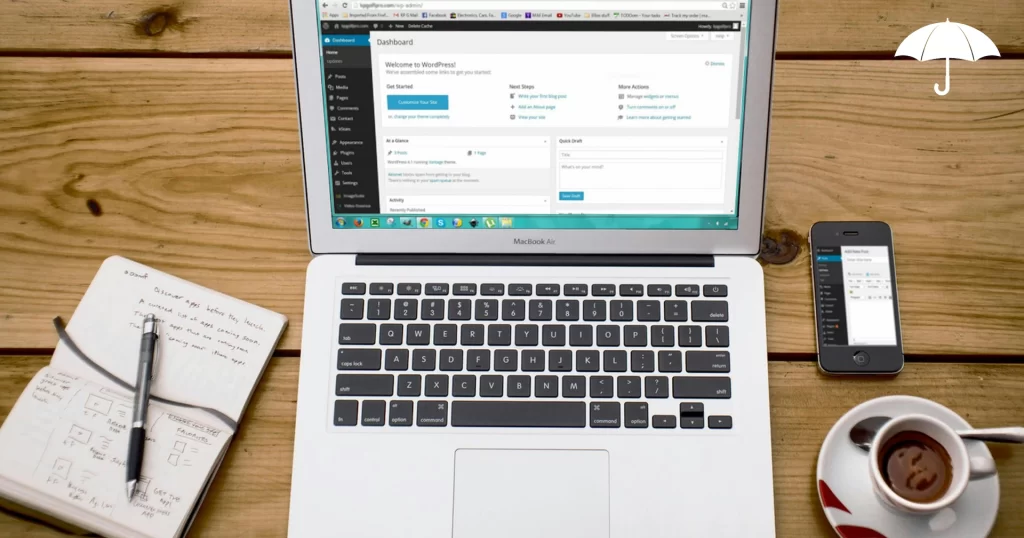
Since many small businesses use WordPress, setup is usually straightforward.
Most implementations follow this process:
Step 1: Choose a Chatbot Plugin or Platform
Look for tools that offer AI conversation capabilities rather than basic FAQ automation.
Modern AI chatbots can understand natural language questions and provide more dynamic responses.
Step 2: Train Your Chatbot With Business Information
This is the most important step.
You should feed your chatbot information about:
- Services offered
- Service areas
- Pricing structure (if public)
- Contact information
- Booking processes
Think of this as building your chatbot’s knowledge base.
Step 3: Write Natural Conversation Scripts
Avoid sounding overly robotic.
Instead of writing:
“Please contact us during business hours.”
Try:
“I can help you find information or connect you with our team during business hours.”
Small language changes make a big difference in customer experience.
Step 4: Test Customer Scenarios
Ask common customer questions and see how the chatbot responds.
Test things like:
- Pricing questions
- Service availability
- Appointment scheduling
Best Practices for Small Business AI Chatbots
The businesses that succeed with chatbots follow these best practices.
Keep It Simple
Don’t overload your chatbot with too many functions.
Start with:
- Answering common questions
- Collecting contact information
- Helping schedule appointments
Then expand later.
Always Provide Human Contact Options
Customers should always be able to reach a real person.
Chatbots should say things like:
“If you prefer, I can connect you with a team member.”
This builds trust.
Match Your Brand Voice
If your business is friendly and conversational, your chatbot should be too.
If your brand is more professional and technical, adjust tone accordingly.
Consistency matters.
Use Chatbots for Lead Generation (Not Just Customer Service)
One of the biggest mistakes businesses make is treating chatbots like FAQs only.
Instead, use them strategically for lead capture.
For example, a good chatbot conversation flow might look like:
- Greeting visitor
- Asking what they are looking for
- Offering helpful information
- Collecting contact details for follow-up
This turns passive visitors into potential customers.
Common Mistakes to Avoid
Over-Automating Customer Service
Customers still want human connection.
Use chatbots as assistants — not replacements.
Making Chatbots Sound Too Mechanical
Natural conversation matters.
Write responses like you are talking to a customer, not writing a technical manual.
Ignoring Mobile Users
Most website traffic comes from mobile devices.
Your chatbot should be easy to use on smartphones.
AI Chatbots and Local SEO
Chatbots can also help with local search optimization.
They can answer location-based questions like:
- “Do you serve my city?”
- “What areas do you service?”
- “Where are you located?”
This improves engagement signals on your website, which can indirectly help SEO performance.
How AI Chatbots Help Small Businesses Save Time
Time is one of the biggest challenges for small business owners.
Chatbots help by handling repetitive tasks such as:
- Answering pricing questions
- Providing business hours
- Explaining services
- Collecting contact details
This allows business owners to focus on higher-value work.
The Future of AI Chatbots for Small Businesses
Looking ahead, chatbots will become even more intelligent.
Future improvements will likely include:
- Deeper CRM integration
- More personalized customer experiences
- Voice-based AI interactions
- Predictive customer service automation
Businesses that adopt AI tools early will have a competitive advantage.
Should Your Small Business Use an AI Chatbot?
If your business relies on customer inquiries, appointments, or service requests, the answer is usually yes.
AI chatbots are especially useful for:
- Home service companies
- Healthcare practices
- Contractors
- Retail businesses
- Professional service providers
The goal is not to replace human interaction — it’s to make customer communication easier and faster.
Need Help Setting Up Your Website for AI Customer Engagement?
At Raney Day Design, we help small businesses build websites that do more than look good.
We design digital systems that help you communicate with customers, capture leads, and automate routine business tasks — without overcomplicating your technology stack.
If you’re thinking about adding AI chatbots to your website, now is a great time to start planning your strategy.
Because in 2026, the businesses that win online will be the ones that respond faster, serve better, and use technology smarter.