Your website might look good at first glance. The colors match your brand, the photos are sharp, the navigation seems clean.
But if your site isn’t bringing in leads, ranking in search results, or converting visitors into customers, something deeper could be wrong.
And here’s the reality many small business owners discover too late: a website can quietly underperform for months—or even years—without obvious warning signs.
That’s exactly why a website audit in 2026 is more important than ever.
Search engines are evolving. AI-driven search results are reshaping how people discover businesses. Website speed expectations are higher. And technical SEO requirements have become more complex.
In other words, what worked for your website two years ago may already be outdated!
A professional website audit doesn’t just find problems—it reveals opportunities. It shows you exactly where your site stands today and what improvements will produce the greatest return on investment.
Let’s break down what a modern audit actually includes, the tools professionals use, and how often your business should schedule one.
Why Website Audits Matter More Than Ever in 2026

Small business owners often assume their website is “fine” because:
- It loads.
- It looks decent.
- It hasn’t crashed.
But functional doesn’t mean effective.
Your website is one of the most powerful marketing tools you own. It operates 24/7, representing your brand, answering customer questions, and generating leads.
When something is wrong beneath the surface, it can affect:
- Search engine rankings
- Website speed
- Lead generation
- User experience
- Mobile performance
- Security vulnerabilities
And unfortunately, most of these issues are invisible to the average visitor.
A thorough website audit 2026 evaluates all the behind-the-scenes factors influencing your site’s success.
The result? Clear insight into what’s working, what’s hurting performance, and where improvements will make the biggest impact.
What’s Included in a Professional Website Audit

A website audit is much more than running a quick scan or checking for broken links. A true audit evaluates design, performance, technical SEO, and strategy together.
At Raney Day Design, the goal isn’t just to produce a report—it’s to uncover actionable improvements that drive results.
Here are the core areas included.
Technical SEO Analysis
Technical SEO is the foundation of search visibility.
If search engines can’t properly crawl, understand, or index your site, your rankings will suffer—even if your content is excellent.
A technical audit evaluates elements like:
- Crawl errors
- Broken links
- XML sitemap health
- Indexing issues
- Redirect problems
- Schema markup
- Core Web Vitals
Many small business websites unknowingly accumulate these issues over time, especially after redesigns, plugin updates, or content changes.
Fixing them often leads to immediate improvements in search visibility and website performance.
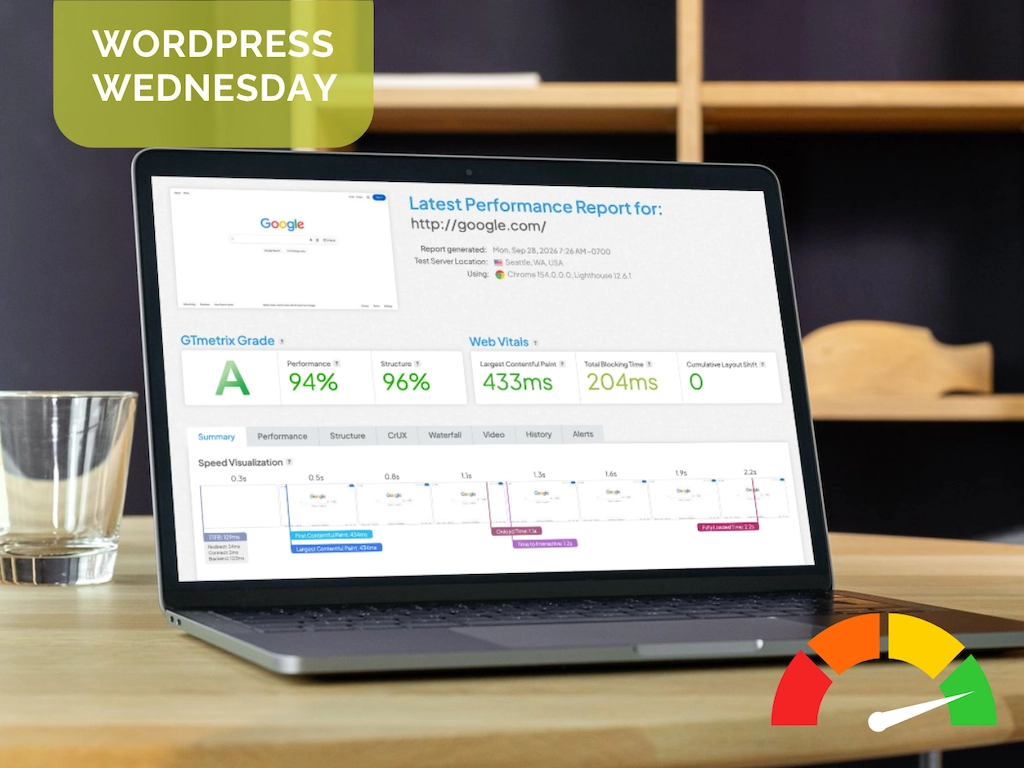
Website Speed and Performance Testing
Speed has become a critical ranking factor and a major driver of user behavior.
Studies consistently show that slow websites lose visitors quickly. If a page takes more than a few seconds to load, users often abandon it entirely.
A website audit reviews:
- Page load time
- Image optimization
- Code efficiency
- Server response time
- Caching implementation
Even small performance improvements can dramatically improve user engagement and SEO results.
User Experience (UX) Review
Your website shouldn’t just attract visitors—it should guide them toward action.
That might include:
- Filling out a contact form
- Scheduling an appointment
- Requesting a quote
- Making a purchase
An audit evaluates the full user journey by reviewing:
- Navigation clarity
- Mobile usability
- CTA placement
- Page layout and readability
- Accessibility
Sometimes the issue isn’t traffic. It’s that visitors don’t know what to do next once they arrive.
Improving user experience often increases conversions without requiring additional marketing spend.
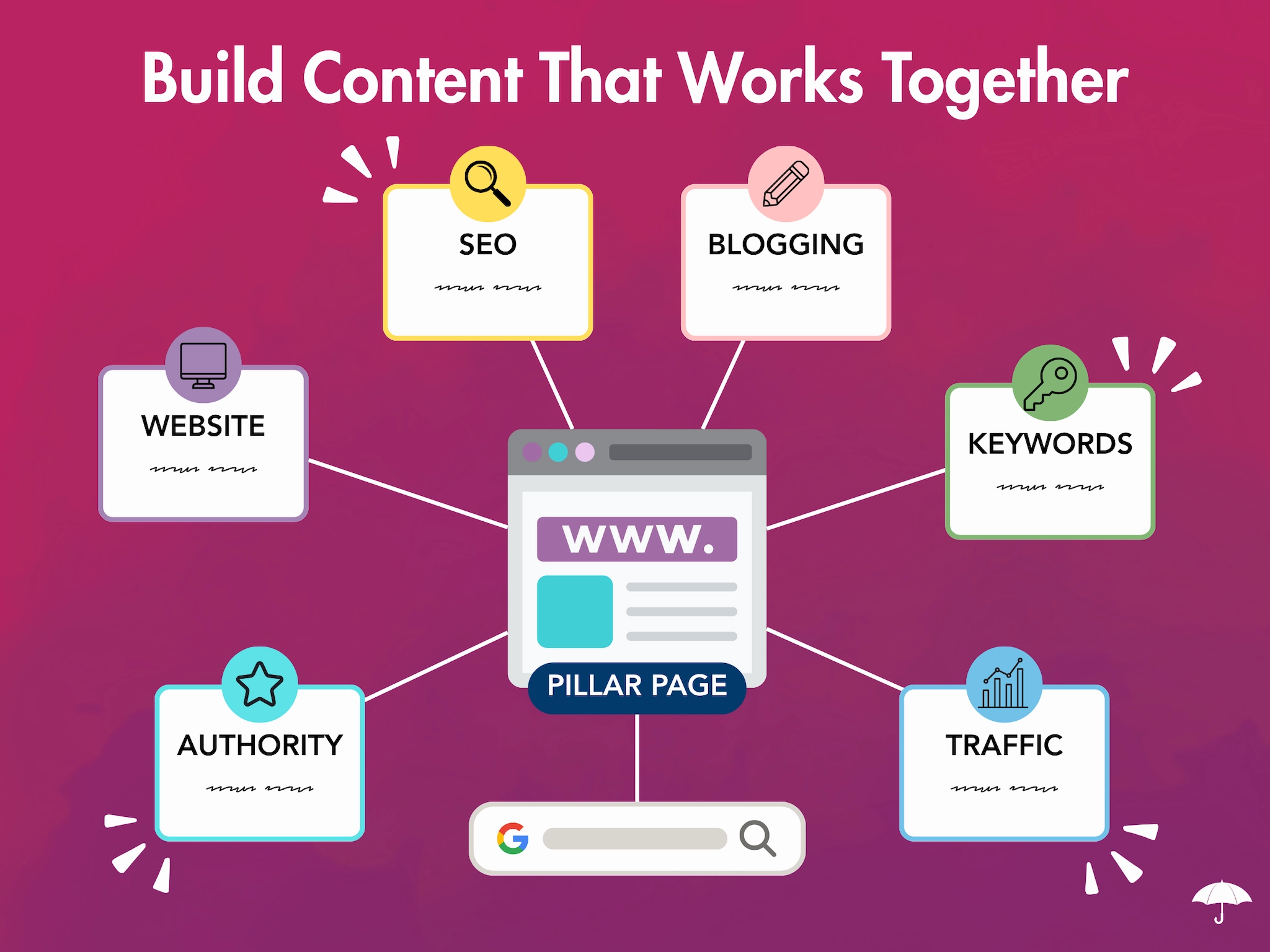
Content and SEO Strategy Evaluation
Content still plays a huge role in search visibility, but it needs to be structured strategically.
A content audit evaluates:
- Keyword targeting
- Duplicate content
- Thin or outdated pages
- Blog effectiveness
- Metadata optimization
This helps determine whether your website is positioned to rank for the terms your customers are actually searching.
Security and Maintenance Review
Cybersecurity threats are increasing every year, especially for WordPress websites that aren’t properly maintained.
An audit checks for:
- Plugin vulnerabilities
- Outdated software
- SSL security issues
- Backup reliability
- Malware risks
Ongoing maintenance is critical for preventing problems before they happen.
That’s why many businesses choose a proactive solution like a website care plan, which includes updates, monitoring, backups, and ongoing performance support.
Key Website Audit Tools Professionals Use
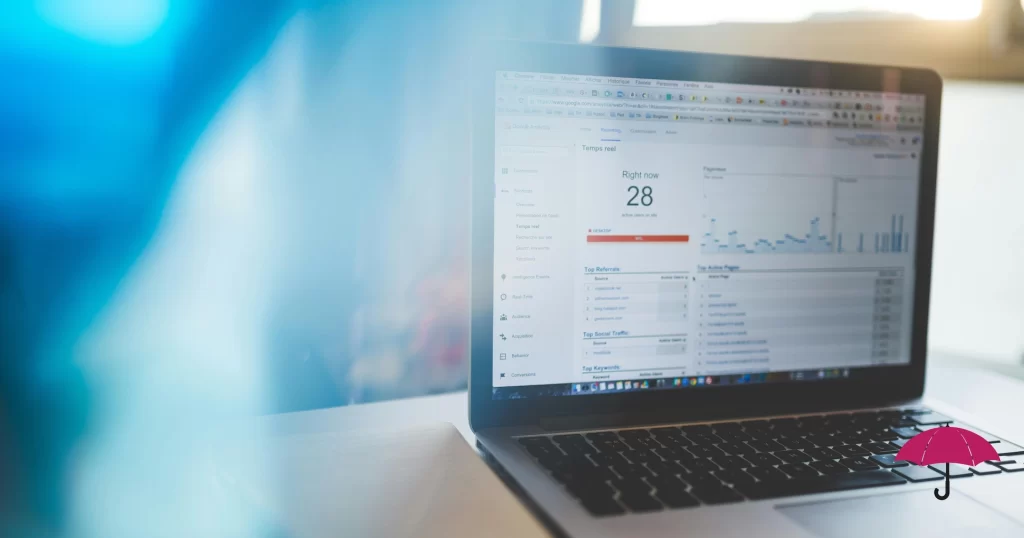
Website audits combine human expertise with powerful analysis tools. These platforms provide deep insight into performance, SEO health, and user behavior.
Here are some of the most commonly used tools during a modern website audit.
Google Search Console
Search Console provides direct insight into how Google sees your website.
It reveals:
- Search impressions and clicks
- Indexing issues
- Mobile usability problems
- Core Web Vitals data
- Keyword performance
This information helps identify where technical improvements could increase search visibility.
Google Analytics
Analytics tools reveal how visitors interact with your site.
Key insights include:
- Traffic sources
- User behavior flow
- Page performance
- Conversion rates
- Bounce rates
If users consistently leave certain pages quickly, that’s often a sign of usability or content problems.
Site Crawling Tools
Professional SEO tools simulate how search engines crawl your website.
These crawlers help identify:
- Broken links
- Duplicate content
- Redirect chains
- Missing metadata
- Technical SEO issues
Without this level of analysis, many structural problems remain hidden.
Speed Testing Platforms
Performance tools measure how quickly your website loads across devices and connection types.
These reports highlight:
- Render-blocking scripts
- Large images
- Server response delays
- Mobile performance issues
Speed improvements frequently produce immediate gains in both rankings and user experience.
Security Monitoring Tools
Security tools help detect malware, vulnerabilities, and outdated software that could put your site at risk.
This is especially important for businesses handling customer information or online payments.
Regular monitoring and maintenance are essential, which is why many businesses rely on ongoing services like Raney Day Design’s care plans.
When Should You Schedule a Website Audit?
Many business owners assume audits are only necessary when something goes wrong. In reality, proactive audits prevent problems before they begin affecting your marketing results.
Here are some key times to schedule one.
After a Website Redesign
Redesigns often introduce unexpected issues.
Even well-built websites can experience:
- Redirect errors
- SEO disruptions
- Broken internal links
- Indexing problems
An audit ensures everything functions correctly and search rankings remain stable.
When Traffic or Leads Decline
If website traffic or inquiries suddenly drop, there’s almost always an underlying cause.
Common culprits include:
- Technical SEO errors
- Algorithm updates
- Speed issues
- Broken forms
- Indexing problems
An audit helps pinpoint the exact cause so it can be fixed quickly.
Before Starting an SEO Campaign
Running SEO without first auditing the site is like building a house on a shaky foundation.
Before investing in long-term SEO, it’s important to ensure the website structure, performance, and technical setup are optimized.
This allows future marketing efforts to deliver stronger results.
At Least Once Per Year
Technology changes fast.
Search engine updates, browser updates, and plugin updates can all impact your website over time.
Scheduling an annual website audit 2026 ensures your site remains competitive, secure, and high-performing.
The Real ROI of a Website Audit
Some business owners hesitate to invest in an audit because they think of it as just a report.
But the real value comes from the improvements that follow.
A properly executed audit can lead to:
- Higher search rankings
- Faster load times
- Better user experience
- Increased lead generation
- Improved conversion rates
Even small fixes—like optimizing images, improving navigation, or correcting metadata—can have measurable business impact.
When your website becomes more effective, every marketing effort works harder.
Your ads convert better.
Your SEO produces stronger results.
Your visitors stay longer and engage more.
That’s why many businesses treat audits not as an expense, but as a strategic investment in digital growth.
Why Small Businesses Trust Raney Day Design
At Raney Day Design, websites aren’t treated as static projects.
They’re treated as living digital assets that evolve alongside your business.
That means providing more than design—it means offering strategic insight, technical expertise, and ongoing support.
Our website audits provide:
- Detailed performance analysis
- Technical SEO insights
- UX and conversion recommendations
- Security evaluations
- Clear action steps for improvement
Whether your website needs small adjustments or a larger strategic overhaul, the goal is always the same: help your site work harder for your business.
And for businesses that want continuous protection and optimization, our Website Care Plans provide proactive maintenance, updates, and monitoring so your site continues running smoothly long after launch.
You can also learn more about our services and approach on the Raney Day Design website, where we showcase the digital strategies that help businesses grow online.
Is Your Website Ready for 2026?
The digital landscape is evolving faster than ever.
Search engines are smarter.
Customers expect faster websites.
And competition online continues to grow.
A website that performed well a few years ago may already be falling behind. The good news? Most performance issues are fixable once they’re identified.
A website audit 2026 provides the clarity you need to make smarter decisions, strengthen your online presence, and unlock your site’s full potential.If your website hasn’t been evaluated recently, now is the perfect time to take a closer look. When your website performs better, your entire business benefits.